
 English
 한국어
한국어 Français
 Español

Una guía práctica para elegir y mantener neumáticos para grúas pórticas
Contenido
- 1 Por qué los neumáticos de las grúas pórtico son más importantes de lo que la mayoría de los operadores creen
- 2 ¿Qué diferencia a los neumáticos para grúas pórtico de los neumáticos para vehículos normales?
- 3 Neumáticos sólidos versus neumáticos para grúa pórtico
- 4 Causas comunes del desgaste prematuro de los neumáticos de las grúas pórtico
- 5 Cómo inspeccionar los neumáticos de las grúas pórtico en busca de desgaste y daños
- 6 Mejores prácticas para extender la vida útil de los neumáticos de las grúas pórtico
- 7 Elegir el proveedor adecuado para neumáticos de repuesto para grúas pórtico
- 8 Reflexiones finales sobre cómo mantener sus grúas en funcionamiento de forma segura
Por qué los neumáticos de las grúas pórtico son más importantes de lo que la mayoría de los operadores creen
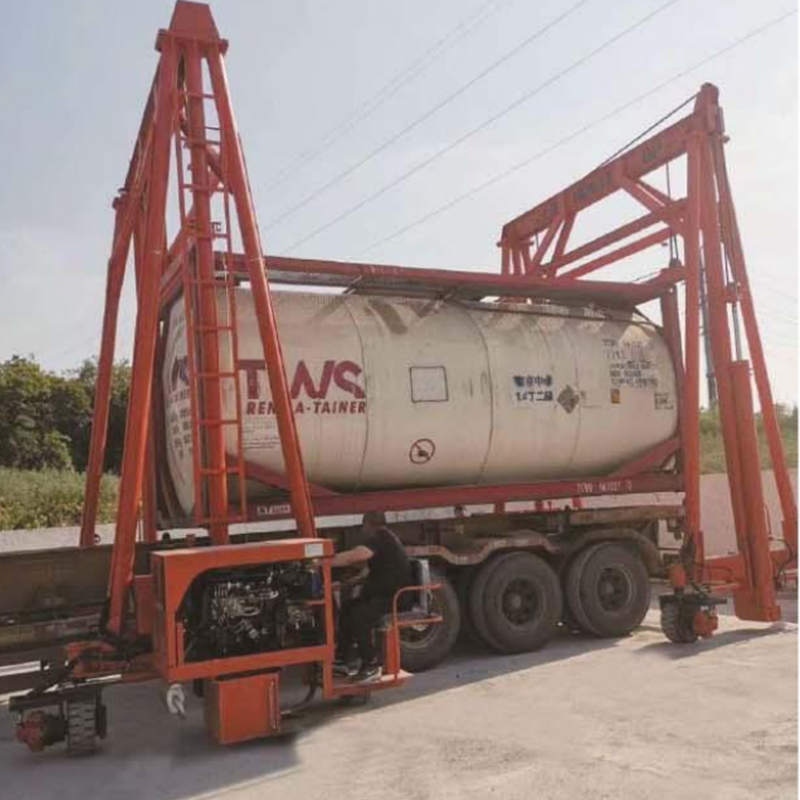
Los neumáticos de las grúas pórtico conllevan una enorme responsabilidad que a menudo pasa desapercibida hasta que algo sale mal. Estos enormes neumáticos soportan todo el peso de la estructura de la grúa, la carga que se levanta y las fuerzas dinámicas creadas cada vez que la grúa se desplaza, gira o se detiene repentinamente. En un astillero de contenedores o una instalación de construcción naval muy concurridos, una grúa pórtico con neumáticos puede viajar hacia adelante y hacia atrás docenas de veces por turno, y cada uno de esos movimientos ejerce presión sobre los neumáticos debajo de ella. La falla de un neumático no es solo un inconveniente, puede detener toda una operación y, en el peor de los casos, crear un grave peligro para la seguridad de los trabajadores cercanos.
Debido a que las grúas pórtico con neumáticos (comúnmente llamadas RTG) operan en patios pavimentados en lugar de sobre rieles fijos, sus neumáticos enfrentan un conjunto de tensiones completamente diferente en comparación con las ruedas de las grúas montadas sobre rieles. La acumulación de calor, el pavimento irregular, las cargas puntuales pesadas y la dirección constante se combinan para desgastar los neumáticos de las grúas pórtico más rápidamente que los neumáticos de los vehículos estándar. Comprender qué hace que estos neumáticos sean únicos y cómo mantenerlos adecuadamente puede ahorrarles a los operadores portuarios y a las empresas de logística una cantidad significativa de dinero y tiempo de inactividad durante la vida útil de sus equipos.
¿Qué diferencia a los neumáticos para grúas pórtico de los neumáticos para vehículos normales?
A primera vista, el neumático de una grúa pórtico puede parecer similar al neumático de un camión grande, pero la ingeniería subyacente es bastante diferente. Estos neumáticos están construidos con paredes laterales reforzadas y compuestos de banda de rodamiento más gruesos diseñados específicamente para soportar cargas estáticas extremadamente altas durante períodos prolongados, algo que nunca fue pensado para un neumático de carretera típico. Dado que las grúas pórtico a menudo permanecen en un lugar soportando un peso enorme durante horas seguidas, los fabricantes de neumáticos utilizan compuestos de caucho especializados que resisten la deformación y la acumulación de calor bajo una presión sostenida.
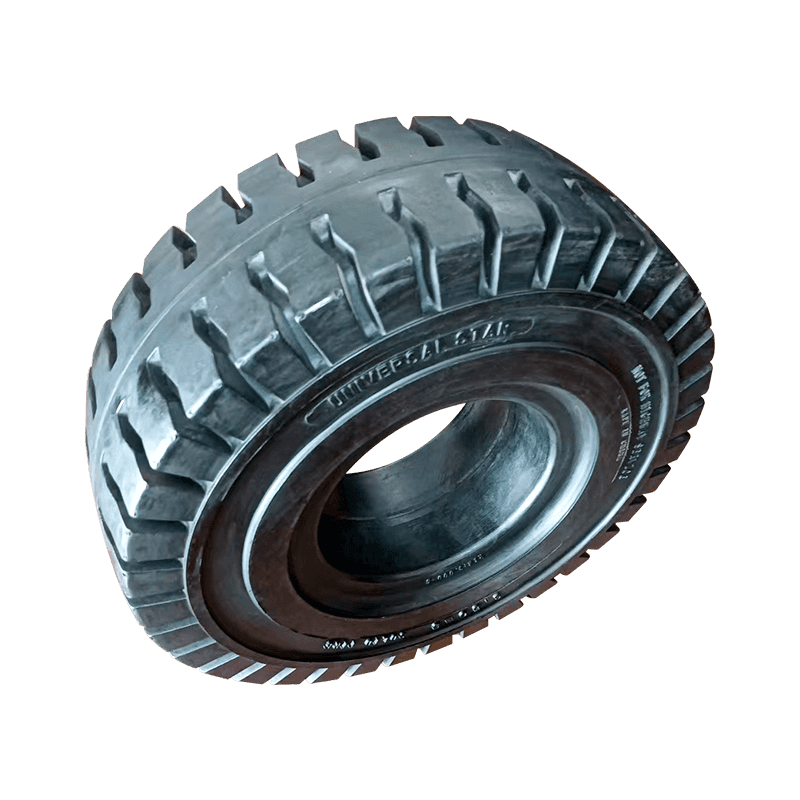
Neumáticos para grúa pórtico También tienden a utilizar una construcción neumática sólida o resistente según el tipo de grúa y la aplicación. Los neumáticos sólidos eliminan por completo el riesgo de desinflado repentino, lo cual es valioso en operaciones donde un reventón podría causar graves tiempos de inactividad o problemas de seguridad, mientras que los neumáticos ofrecen una mejor absorción de impactos y un desplazamiento más suave a través de superficies irregulares, lo que reduce la tensión en los componentes estructurales de la grúa con el tiempo.
Neumáticos sólidos versus neumáticos para grúa pórtico
Elegir entre neumáticos sólidos y neumáticos es una de las decisiones más importantes que enfrentan los operadores de grúas, y la elección correcta depende en gran medida del entorno operativo y las prioridades de la instalación.
| Tipo de neumático | Ventaja clave | Desventaja clave |
| Neumáticos macizos | Sin riesgo de deflación repentina o explosión | Más pesado, transmite más vibración a la estructura. |
| Neumáticos | Mejor absorción de impactos, movimiento más suave | Requiere controles regulares de presión, riesgo de pinchazo. |
Los puertos y terminales que priorizan el tiempo de actividad y las interrupciones mínimas de mantenimiento a menudo se inclinan por neumáticos sólidos a pesar del peso adicional, mientras que las instalaciones enfocadas en proteger los componentes estructurales de las grúas y la comodidad del operador pueden preferir neumáticos combinados con un programa disciplinado de monitoreo de presión.
Causas comunes del desgaste prematuro de los neumáticos de las grúas pórtico
Incluso los neumáticos de grúas pórtico de alta calidad pueden desgastarse mucho antes de su vida útil esperada si ciertas condiciones no se manejan adecuadamente. La identificación temprana de estas causas ayuda a prolongar la vida útil de los neumáticos y reducir los costos de reemplazo no planificados.
- Pavimento irregular o agrietado que crea puntos de tensión concentrados en la banda de rodadura.
- Giros frecuentes con radios cerrados, lo que acelera el desgaste de los bordes y los hombros.
- Sobrecargar la grúa más allá de su capacidad nominal, aumentando la presión de carga puntual en cada neumático.
- Alineación incorrecta de las ruedas, lo que provoca un desgaste desigual de la banda de rodadura en la superficie del neumático.
- Tiempo de inactividad prolongado bajo carga completa, lo que provoca fatiga compuesta o puntos planos
- Exposición a aceite, derrames de combustible o calor extremo de equipos cercanos
El estado de la superficie del jardín es uno de los factores que más se pasa por alto. Incluso un neumático en buen estado puede desgastarse de manera desigual o desarrollar grietas prematuramente si rueda constantemente sobre baches, uniones o escombros esparcidos por el área de operación.
Cómo inspeccionar los neumáticos de las grúas pórtico en busca de desgaste y daños
Las inspecciones visuales de rutina contribuyen en gran medida a detectar problemas antes de que se conviertan en fallas costosas. Una inspección exhaustiva debe ser parte de cada programa de mantenimiento.
Verifique la profundidad de la banda de rodadura y los patrones de desgaste
Mida la profundidad de la banda de rodadura en varios puntos alrededor del neumático y compare las lecturas de lado a lado. El desgaste desigual de un borde al otro generalmente indica problemas de alineación, mientras que el desgaste concentrado en el centro a menudo indica un inflado excesivo de los neumáticos.
Busque grietas, cortes y escombros incrustados
Inspeccione las paredes laterales y las ranuras de la banda de rodadura en busca de grietas, cortes o piedras incrustadas y restos de metal que podrían penetrar más profundamente en el neumático con el tiempo. Los pequeños cortes detectados tempranamente a menudo se pueden monitorear, mientras que los cortes profundos cerca de las correas de acero generalmente significan que el neumático necesita ser reemplazado más temprano que tarde.
Mejores prácticas para extender la vida útil de los neumáticos de las grúas pórtico
Un enfoque de mantenimiento proactivo puede extender significativamente la vida útil de los neumáticos de las grúas pórtico y reducir el costo total de propiedad con el tiempo.
- Mantenga el pavimento del jardín en buen estado y repare las grietas o baches rápidamente.
- Rote las posiciones de los neumáticos periódicamente si la configuración de las ruedas de la grúa lo permite.
- Monitorear y mantener la presión correcta de todos los neumáticos semanalmente
- Evite exceder la capacidad de carga nominal de la grúa bajo ninguna circunstancia.
- Programe controles periódicos de alineación de las ruedas para evitar el desgaste desigual de la banda de rodadura.
- Limpie rápidamente el combustible, el aceite o los productos químicos derramados de los neumáticos para evitar la degradación del caucho.
Las instalaciones que incorporan estas prácticas en una lista de verificación de mantenimiento de rutina, en lugar de abordar los problemas de los neumáticos solo cuando surgen problemas, informan constantemente una vida útil más larga de los neumáticos y menos paradas inesperadas de los equipos.
Elegir el proveedor adecuado para neumáticos de repuesto para grúas pórtico
No todos los neumáticos de repuesto son iguales y elegir un proveedor confiable es tan importante como un mantenimiento adecuado. Busque fabricantes que se especialicen en neumáticos para equipos pesados o maquinaria portuaria en lugar de neumáticos para camiones comerciales en general, ya que las capacidades de carga, las formulaciones de compuestos y los estándares de construcción difieren significativamente entre los dos. Solicitar certificaciones de capacidad de carga y preguntar sobre la vida útil esperada en condiciones similares a las de sus propias instalaciones puede ayudar a garantizar que obtenga neumáticos fabricados para manejar las demandas específicas de la operación de la grúa pórtico, en lugar de un producto genérico que simplemente se ajusta al tamaño de la llanta.
Reflexiones finales sobre cómo mantener sus grúas en funcionamiento de forma segura
Es posible que los neumáticos de las grúas pórtico no reciban mucha atención durante las operaciones diarias, pero desempeñan un papel fundamental para mantener los equipos de elevación pesados seguros, estables y productivos. Al comprender las diferencias entre los diseños sólidos y neumáticos, reconocer los primeros signos de desgaste y seguir prácticas de mantenimiento consistentes, los operadores de puertos y terminales pueden extender significativamente la vida útil de los neumáticos y evitar tiempos de inactividad costosos y no planificados. Un poco de atención a este componente que a menudo se pasa por alto da como resultado operaciones más fluidas y un entorno de trabajo más seguro para todos en el astillero.
RECOMENDACIONES DE PRODUCTOS RELACIONADOS
CONTÁCTANOS
-

Correo electrónico: SMT001@saimeite-tyre.com
-

Teléfono: +86-18451337018No. 1, Calle Sur de Renmin, Distrito de Yandu, Ciudad de Yancheng, Provincia de Jiangsu, China